
Board-Certified Surgeon, Acid Reflux & GERD Specialist, Houston, TX
Last Reviewed: May 2026
Miguel from South Houston asked us this question:
“Can or is Hypercontractile esophagus a cause for Dyspnea/shortness of breath? I have Jackhammer esophagus. I had fundoplication surgery 2 months ago and started eating solid food 2 weeks ago. I have a degree of dysphagia post-op which I never had before, but I am still manifesting breathing irritation/limitations which I need to get resolved. My surgeon said the surgery would correct this problem, but it has not been the case. I don’t have medical professionals in my community that know or can address this condition, hence my reaching out to you. Thank you.”
Miguel’s question is twofold:
- Can jackhammer esophagus cause shortness of breath?
- Does Nissen Fundoplication alleviate jackhammer-related symptoms?
The answer is yes, and understanding why requires a closer look at what jackhammer esophagus is, how it affects more than just swallowing, and how a properly performed Nissen fundoplication surgery helps in this case.
What Is Jackhammer Esophagus?
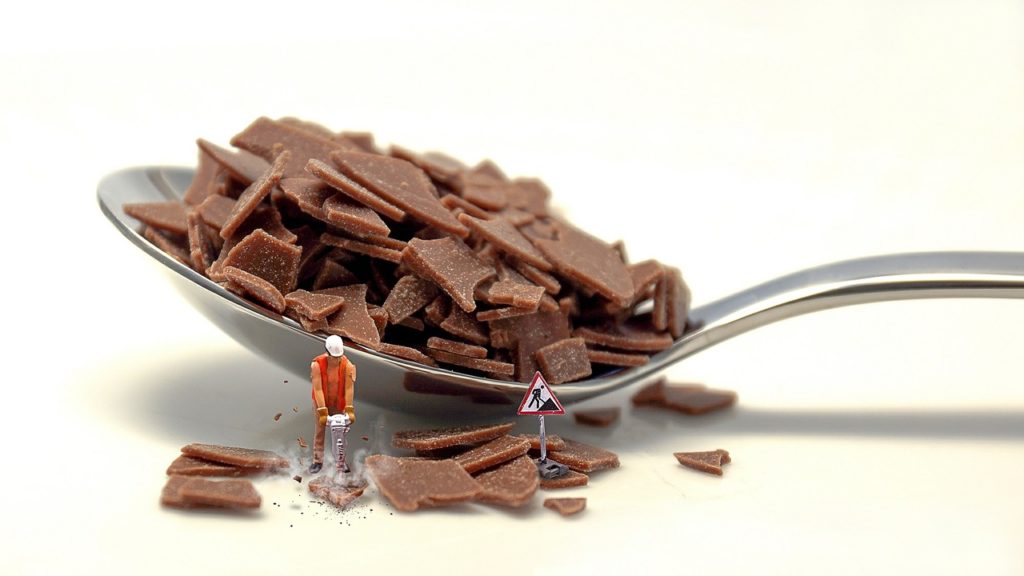
Jackhammer esophagus, clinically known as hypercontractile esophagus and formerly referred to as nutcracker esophagus, is a rare esophageal motility disorder characterized by abnormally forceful, repetitive muscle contractions in the esophagus.
On high-resolution esophageal manometry (HRM), the diagnostic gold standard, it is defined by a distal contractile integral (DCI) exceeding 8,000 mmHg·s·cm, far beyond what a normal esophageal contraction produces. These contractions are not merely strong; they can be severe enough that patients describe the pain as mimicking a heart attack.
The condition is not fully understood. In many cases, chronic acid reflux (GERD) appears to be a triggering factor, as acid exposure irritates the esophageal lining and may provoke abnormal muscle responses over time. This is why controlling acid reflux is a cornerstone of management.
Why Jackhammer Esophagus Can Cause Breathing Symptoms
Shortness of breath and breathing discomfort are not the first symptoms most people associate with an esophageal condition, but they are more common than patients expect. Several mechanisms explain the connection.
Shared nerve pathways. The esophagus and the airways share vagal nerve pathways. Intense esophageal spasm can trigger a reflex response through these shared afferents, leading to the sensation of breathlessness, chest tightness, or an irritated airway. This is sometimes called the esophago-bronchial reflex.
Mediastinal proximity. The esophagus runs through the mediastinum, the central compartment of the chest, immediately adjacent to the trachea, bronchi, and heart. Severe, sustained esophageal contractions can create pressure effects in this confined space that patients experience as breathing limitation.
GERD-related airway irritation. When acid reflux is the underlying driver, micro-aspiration of acid into the airways can independently cause chronic cough, throat clearing, and a sensation of restricted breathing, sometimes called laryngopharyngeal reflux (LPR) or extraesophageal GERD.
All three mechanisms may be operating simultaneously in patients with jackhammer esophagus in the setting of chronic GERD.
Does Nissen Fundoplication Resolve Jackhammer Esophagus?
Nissen fundoplication is the most reliable and durable surgical solution for GERD. By reinforcing the lower esophageal sphincter, it effectively eliminates acid reflux in the vast majority of patients.
However, and this is a critical distinction, fundoplication treats the reflux trigger, not the esophageal motility disorder itself. Jackhammer esophagus is a muscle coordination problem. Removing the acid stimulus reduces the hypercontractility if acid reflux is the primary cause.
This means that GERD patients who undergo fundoplication for GERD-driven jackhammer esophagus will experience improvement in their breathing and esophageal symptoms, while others will find that the motility component requires additional management.
Post-Operative Dysphagia: Two Possible Causes
New or worsened difficulty swallowing after Nissen fundoplication, as Miguel described, has two primary explanations that must be distinguished:
A tight fundoplication wrap. If the surgical wrap around the lower esophageal sphincter is calibrated too snugly, it can mechanically impede the passage of food. This is a technical problem with surgery that requires revision surgery. At Houston Heartburn and Reflux Center, our redo surgery rate for tight wrap is zero. This is because we create a flawless wrap from the beginning, and we don’t leave the operating room until such a flawless wrap is in place.
A tight hiatal closure. If the hiatal hernia repair was too snug, dysphagia after surgery will occur. At Houston Heartburn and Reflux Center, we always leave around a 1 cm gap around the esophagus to prevent this issue.
Jackhammer esophagus in Miguel’s case is unlikely to cause difficulty swallowing after surgery because he did not have difficulty swallowing prior to surgery. A UGI contrast study, endoscopy, and manometry can easily elucidate the underlying cause of his dysphagia and guide treatment. In some cases, Endoflip with a 30 mm balloon dilation may help diagnose and treat the problem.
Treatment Options for Jackhammer Esophagus
When hypercontractility, not GERD, is the primary underlying disease and the cause of symptoms like difficulty swallowing, shortness of breath, and chest pain, the treatment approach is typically stepwise:
Medical therapy is the first line. Smooth muscle relaxants, including calcium channel blockers and phosphodiesterase inhibitors such as sildenafil (Viagra), can reduce the force of esophageal contractions. Low-dose tricyclic antidepressants are used for their effect on visceral pain pathways and esophageal sensitivity. There is no universal consensus on the single best regimen, and your specialist may trial more than one medication before identifying what works best for you.
Endoscopic interventions including esophageal dilation and BOTOX® injection into the lower esophageal sphincter or the hypercontractile segment are options in select cases. Botox temporarily relaxes the muscle and can provide months of symptom relief, though it is not a permanent solution.
Per Oral Endoscopic Myotomy (POEM) is the most definitive intervention for severe, medically refractory cases. This minimally invasive endoscopic procedure cuts the circular muscle fibers of the esophagus from the inside, reducing the capacity for hypercontraction. Results in appropriately selected patients are generally excellent.
Key Clinical Points
- Jackhammer esophagus (hypercontractile esophagus) can cause shortness of breath through shared vagal nerve pathways, mediastinal pressure effects, and GERD-related airway irritation.
- Nissen fundoplication reliably treats acid reflux and any underlying motility disorder if acid reflux is the cause.
- Post-operative dysphagia requires a thorough evaluation including high-resolution manometry, UGI contrast study, upper endoscopy, and possible Endoflip to determine whether the cause is a tight fundoplication, tight hiatal closure, or ongoing hypercontractility; treatment differs significantly depending on the cause.
- The treatment ladder for jackhammer esophagus moves from medical therapy (calcium channel blockers, sildenafil, tricyclic antidepressants) to endoscopic options (dilation, Botox) to POEM in refractory cases.
- If you are two months post-fundoplication with persistent breathing symptoms and new dysphagia, you need evaluation by an acid reflux specialist with expertise in esophageal motility. A general gastroenterologist or surgeon may not be able to help you.
What to Do Next
If you are in a situation similar to Miguel, breathing symptoms that have not resolved after fundoplication, new difficulty swallowing, and a jackhammer esophagus diagnosis, the most important next step is a comprehensive evaluation and a personalized treatment plan.
Schedule a Consultation with Dr. Darido
Published: Dec 2018 | Last Reviewed: May 2026
References
Yadlapati R, Kahrilas PJ, Fox MR, et al. Esophageal motility disorders on high-resolution manometry: Chicago Classification version 4.0. Neurogastroenterol Motil. 2021;33(1):e14058.
Kahrilas PJ, Bredenoord AJ, Fox M, et al. The Chicago Classification of esophageal motility disorders, v3.0. Neurogastroenterol Motil. 2015;27(2):160-174.
Gyawali CP, Kahrilas PJ, Savarino E, et al. Modern diagnosis of GERD: the Lyon Consensus. Gut. 2018;67(7):1351-1362.
Roman S, Kahrilas PJ. Distal esophageal spasm. Curr Opin Gastroenterol. 2015;31(4):328-333.
Richter JE, Rubenstein JH. Presentation and epidemiology of gastroesophageal reflux disease. Gastroenterology. 2018;154(2):267-276.
Fass R, Zerbib F, Gyawali CP. AGA Clinical Practice Update on Functional Heartburn: Expert Review. Gastroenterology. 2020;158(8):2236-2245.
Patel DA, Yadlapati R, Vaezi MF. Esophageal motility disorders: current approach to diagnostics and therapeutics. Gastroenterology. 2022;162(7):1942-1958.
Khashab MA, Familiari P, Bhatt DL, et al. Peroral endoscopic myotomy is effective and safe in non-achalasia esophageal motility disorders. Endosc Int Open. 2017;5(12):E1227-E1234.
Oelschlager BK, Pellegrini CA, Hunter J, et al. Biologic prosthesis reduces recurrence after laparoscopic paraesophageal hernia repair. Ann Surg. 2006;244(4):481-490.
Vaezi MF, Pandolfino JE, Yadlapati RH, Greer KB, Kavitt RT. ACG Clinical Guidelines: Diagnosis and Management of Achalasia. Am J Gastroenterol. 2020;115(9):1393-1411.