
Antrum-Preserving Longitudinal Gastrectomy (APLG) is a minimally invasive surgical option developed for patients with medically refractory gastroparesis, including those whose symptoms haven’t improved with medication, diet changes, or a previous gastroparesis procedure.
Dr. Elias Darido, MD, FACS, is a fellowship-trained acid reflux specialist at Houston Heartburn & Reflux Center, serving patients throughout Houston and the surrounding Texas area who live with medically refractory gastroparesis.

The Antrum-Preserving Longitudinal Gastrectomy is a minimally invasive surgical procedure that reduces stomach volume to speed up gastric emptying, without disrupting the stomach’s natural pumping action.
The procedure reduces stomach volume along the lateral portion of the stomach, called the Magenstrasse line, while preserving the antrum, the lower portion of the stomach responsible for grinding food and pumping it into the small intestine. This is different from procedures that remove or bypass the antrum, which can disrupt this natural pumping mechanism. When a hiatal hernia is present, Dr. Darido repairs it during the same operation.
APLG is performed laparoscopically and takes about 1 hour. Dr. Darido has used this approach since 2015 in more than 50 patients, with most experiencing relief from nausea, vomiting, and bloating following surgery.

Any patient with medically refractory gastroparesis, including those who have already had a gastroparesis procedure that failed to provide lasting relief, may be a potential candidate for APLG.
APLG isn’t right for everyone. Symptoms driven by an unaddressed medication effect, uncontrolled blood sugar, an eating disorder, cyclic vomiting, or cannabinoid hyperemesis need those causes treated first, since surgery won’t resolve them.
Every patient is evaluated individually, and a thorough workup is required before Dr. Darido recommends surgery.
APLG is considered an experimental procedure, and it has not yet been evaluated in a prospective randomized trial. Dr. Darido discusses this openly with every patient, since no outcome can be guaranteed.
What Our Patients Say
I cannot express enough gratitude to Dr. Darido for saving my life. I was suffering from severe gastroparesis, and my condition had reached a point where I was ready to give up. I relied on a G/J Tube for daily venting and a Central Line for TPN, and I could barely get out of bed due to debilitating nausea and excruciating pain. Multiple doctors had told me there was nothing more they could do, and I was left to believe that my life was coming to an end.
In a desperate search for hope, I came across Dr. Darido through a Facebook support group and decided to seek his help as a last resort. From the moment I met him, I knew I was in the right hands. He performed surgery, and almost immediately, I began to feel better.
Over time, my improvement has been nothing short of miraculous. My G/J Tube was removed, followed by my Central Line, and just this week, a follow-up test confirmed that my gastroparesis is completely gone. After almost five years, I can eat and drink again. Four months post-op, I feel 20 years younger and am back to living a life that is enjoyable and full of joy.
Dr. Darido’s expertise, compassion, and dedication gave me back the life I thought I had lost. I wholeheartedly recommend him to anyone facing similar challenges. He truly is a life-saver.
*Individual results vary, and these experiences do not predict any outcome.
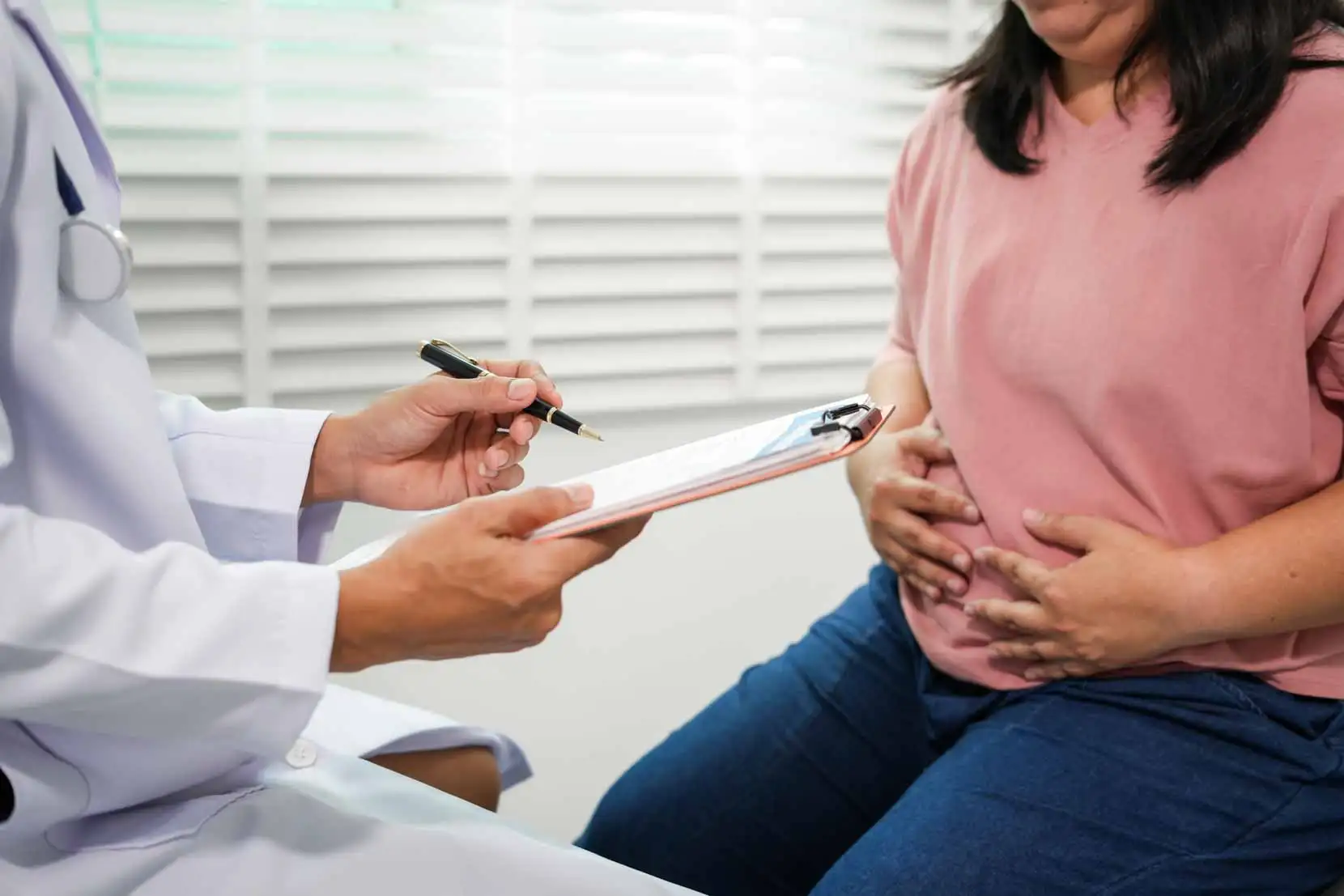
Choosing a surgeon with deep experience in gastric anatomy and physiology, not just general surgical volume, matters when treatment options for medically refractory gastroparesis remain limited and inconsistent.
Dr. Darido completed fellowship training in foregut and GERD surgery at the University of North Carolina at Chapel Hill and founded Houston Heartburn & Reflux Center, where he treats complex esophageal and gastric conditions. He personally performs every preoperative diagnostic study for his patients, including upper endoscopy, manometry, pH-impedance testing, and upper GI contrast studies, an approach that shapes how he evaluates and treats each gastroparesis case.
Where Existing Options Fall Short
There is no single established treatment guideline for medically refractory gastroparesis. According to the same 2026 JAMA review, published outcomes for the standard procedures show why many patients keep searching for answers. Gastric peroral endoscopic myotomy, a form of pyloromyotomy, has shown response rates that vary widely by cause, working better for diabetic gastroparesis than for cases following prior surgery. Gastric electrical stimulation can ease nausea but does not speed up gastric emptying itself, and trial results have been mixed. Laparoscopic pyloroplasty has shown improved gastric emptying in some studies, but carries a meaningful rate of intraoperative complications. Gastric pacemakers, Gastric Bypass Surgery, and gastric resection are also associated with limited or inconsistent success for this specific indication.
What to Expect: Before, During, and After
Before Surgery
Evaluation begins with a face-to-face encounter, in office or virtual, and a review of your medical history and any previous gastroparesis procedure. Dr. Darido then orders upper endoscopy and an upper GI contrast study to evaluate your anatomy and rule out a mechanical obstruction. A gastric emptying study confirms delayed gastric emptying before surgery is considered.
During Surgery
Using a laparoscopic approach, Dr. Darido accesses the stomach through several small incisions. He reshapes the stomach along its lateral portion, removing roughly 70% of that section to reduce stomach volume and promote faster gastric emptying, while carefully preserving the antrum so its natural pumping action into the small intestine stays intact. The procedure is performed under general anesthesia and takes about 1 hour.
After Surgery
Most patients go home the same day. Pain after surgery is minimal, and most return to full activity within about a week, faster than recovery from more invasive gastric procedures.
Risks and Realistic Outcomes
As with any surgical procedure, APLG carries risk. Based on Dr. Darido’s experience, the risk of a serious complication is low, under 1%.
APLG is a newer procedure, and while it hasn’t yet been studied in a large, prospective clinical trial, individual results can vary. Dr. Darido will walk you through what’s currently known, and still being studied, about APLG during your consultation, so you and he can decide together whether it’s the right option for you.
Frequently Asked Questions
Is APLG right for me if a previous gastroparesis surgery didn’t work?
Yes, in many cases. Dr. Darido reviews your prior surgical records and imaging as part of your evaluation to understand why an earlier procedure didn’t provide lasting relief before determining whether APLG may be appropriate for you.
How long does recovery take?
Most patients go home the same day as surgery. Many return to full activity within about a week, though your timeline may vary depending on your overall health and the complexity of your case.
Is APLG FDA-approved or backed by clinical trials?
No. APLG is an experimental procedure developed by Dr. Darido rather than an FDA-approved treatment backed by completed clinical trials. Dr. Darido will explain the current state of evidence during your consultation.
Do you treat patients from outside Houston?
Yes. Because APLG is a novel procedure not widely available elsewhere, Dr. Darido evaluates patients from across the US and Canada, in addition to those throughout Houston and Texas.
Source Index
- Camilleri M, et al. Gastroparesis: A Review. JAMA. Published online July 22, 2026. doi:10.1001/jama.2026.12181
- National Institute of Diabetes and Digestive and Kidney Diseases (NIDDK). Gastroparesis. National Institutes of Health. Reviewed 2025. Accessed August 2026. niddk.nih.gov